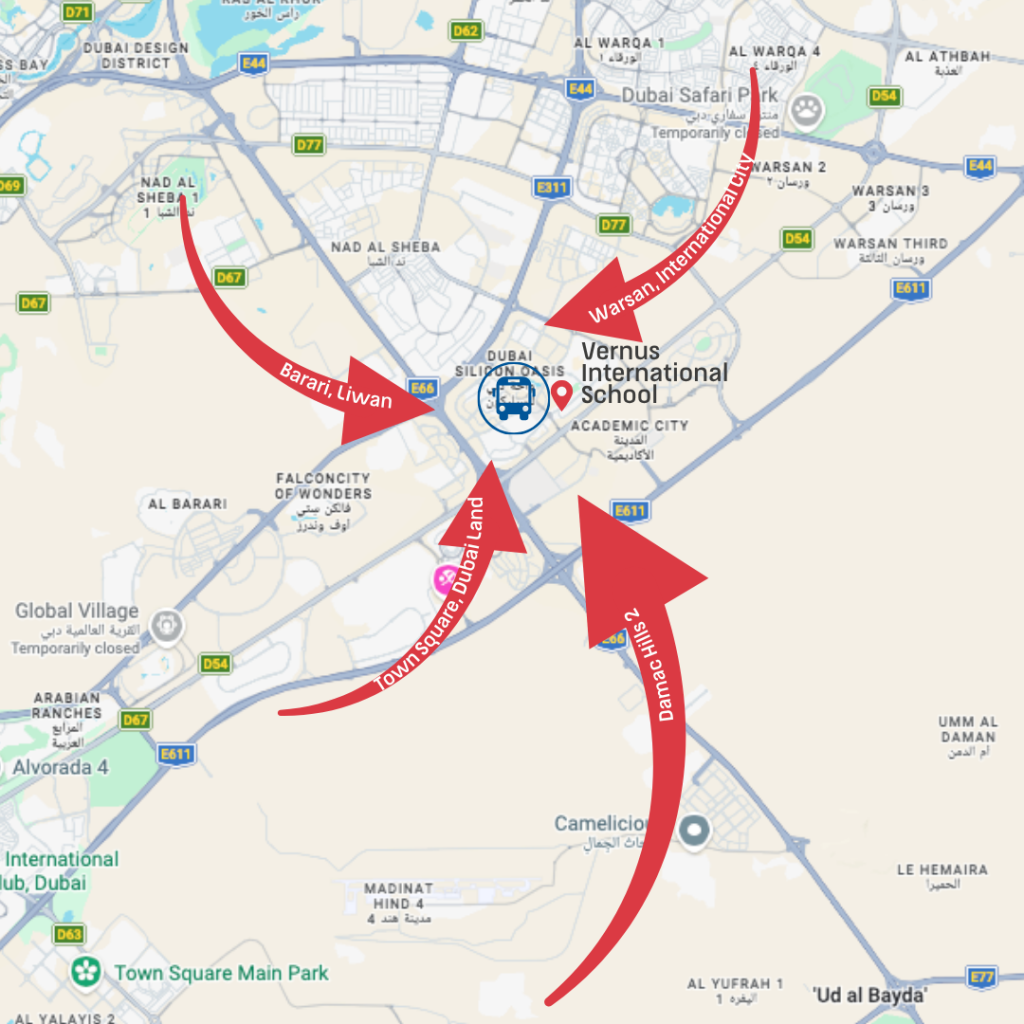
The roads inside it make sense. The distances are manageable. The schools, the supermarkets, the parks, the cafes, they are close to where people live rather than distributed across the kind of sprawl that makes ordinary life in many parts of Dubai feel like a series of logistical exercises. Families who move to DSO for practical reasons tend to stay for reasons that are harder to articulate but are essentially about daily life being more liveable than they expected.
The schools in DSO Dubai are part of this. They are not just schools that happen to be in Silicon Oasis. They are schools that exist within a specific kind of community and that community has a character that affects what school life actually feels like from the inside.
The Technology Community as an Educational Context
Dubai Silicon Oasis was built as a technology park and the companies that had been operating there were all technology companies. The adults who live in the residential areas are, to a greater degree than in most other parts of Dubai, people who work in technology fields. Engineers, developers, product managers, data scientists. This is not a marginal detail about the neighbourhood. It is the ambient context that children are growing up in.
Silicon oasis schools that are paying attention to this context are producing a different kind of education from schools that happen to be located there without really connecting to it. When children grow up around adults who solve problems for a living, who build things, who think about how systems work and how to make them work better, the questions those children bring to school are different. The curiosity they arrive with is shaped by what they see at home and in their neighbourhood.
Project-based learning connects to this specifically. A child who is used to seeing their parents work on problems at a laptop, who has heard the word prototype before they knew what it meant, who has absorbed the idea that things get built through iteration and failure and revision, is a child who is primed for the kind of learning that project-based curricula do well. Dubai Silicon Oasis schools that are using this approach are not imposing a philosophy on a neutral population. They are meeting a population that is already oriented in that direction.
What Technology Integration Actually Looks Like When It Is Real
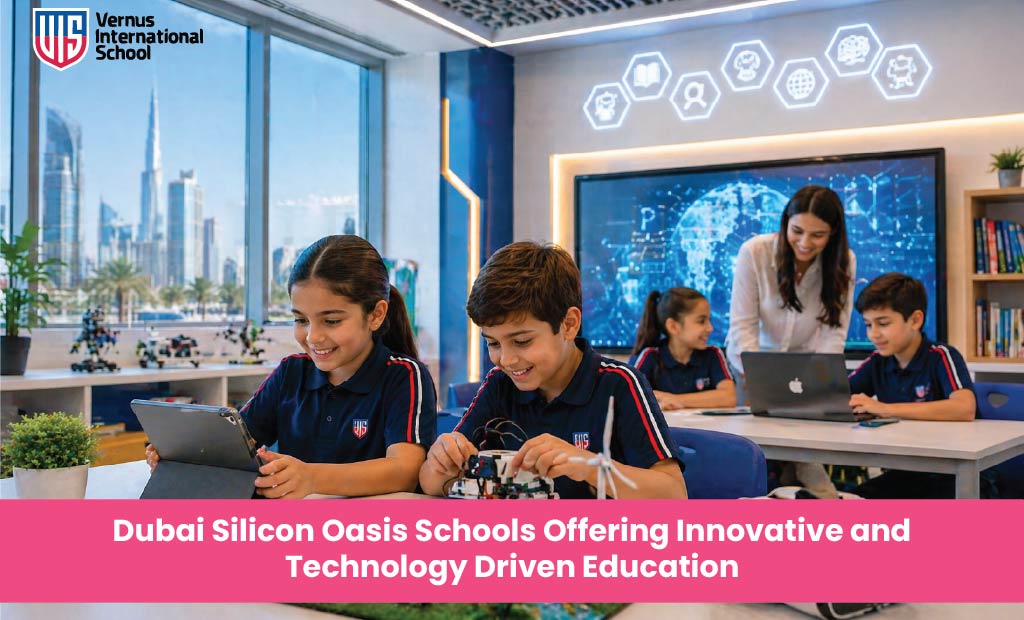
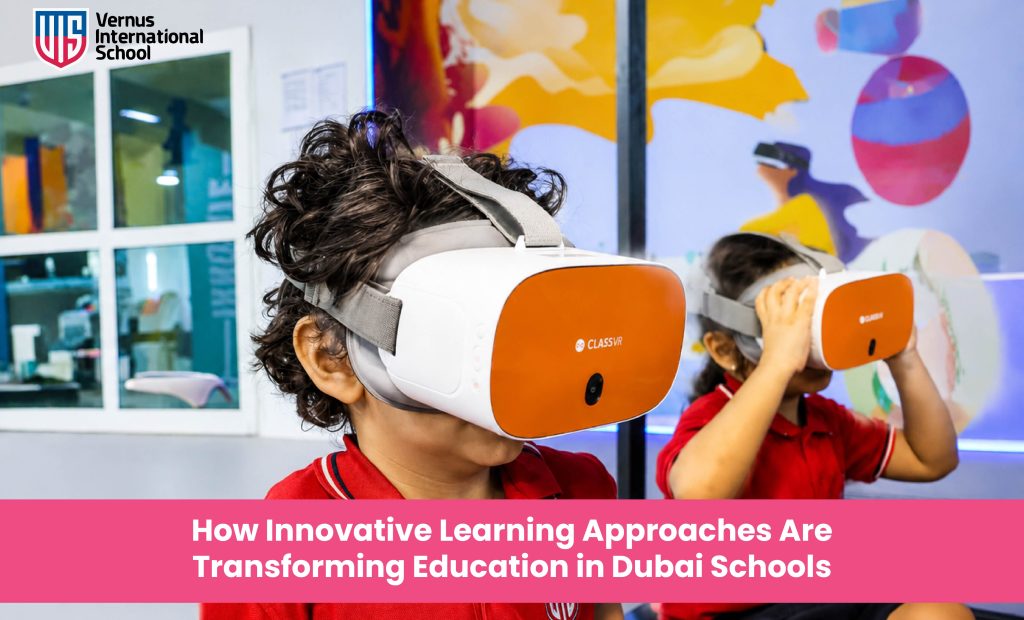
The version of technology-driven education that is mostly marketing is easy to spot. Screens in classrooms. Tablets at desks. A coding lesson on the timetable once a week. These things may have some value and they do not constitute technology-driven education in any meaningful sense. Technology is not the point. What technology enables is the point.
When technology integration is genuine it changes how learning is structured rather than adding a digital layer on top of the same instruction. Students use technology to research, to create, to communicate, to collaborate across a genuine project. The technology is infrastructure for doing something rather than the thing being done. The child who leaves school having learned to use technology as a tool for thinking is better prepared for the world that exists than the child who learned technology as a subject.
Schools in DSO Dubai that have built this approach into their curriculum rather than bolted it on tend to produce graduates who are genuinely more capable in technology-adjacent contexts than schools that describe themselves as technology-focused without having made the underlying changes to how learning happens.
Why Families Stay
The families who move to Silicon Oasis for practical reasons and then stay for something harder to define are often describing the school situation when you ask them to explain it. The children have friends who have been their friends for three years rather than one. The teachers know the children in ways that require time to develop. The daily commute to school is ten minutes rather than forty. The school events and activities are something the family can actually attend rather than something they have to plan logistics around.
These are not glamorous reasons to choose a school. They are the reasons that determine whether a child’s school experience is sustainable across years rather than technically excellent on paper and grinding in practice. Vernus International School in Dubai Silicon Oasis is the only American curriculum school in the area at its fee level, covering Pre-K to Grade 5 with enrichment in technology and innovation, hydroponics, media and drama, and multilingual learning in English, French and Arabic. It is also formally partnered with the Dubai Silicon Oasis Authority. For families in DSO who want a school that is genuinely part of the community rather than simply located in it, VIS Dubai is worth a serious look.
FAQs
1.What makes Dubai Silicon Oasis schools genuinely different rather than just differently located?
The surrounding community is a technology community and the schools embedded in it are affected by that in ways that go beyond geography. Children grow up around adults who work in technology fields and the curiosity and orientation this creates is something that the best schools in the area build on rather than ignoring.
2.What does technology-driven education mean in practice at schools in DSO Dubai?
Real integration changes how learning is structured rather than adding technology to existing instruction. Students use technology as infrastructure for research, creation, and collaboration in project-based work. This produces different capabilities from technology as a separate subject on the timetable.
3.Why do families tend to stay in Dubai Silicon Oasis longer than in other parts of the city?
The area is planned in a way that makes daily life more manageable. Commutes are shorter, distances are smaller, and daily logistics require less effort. This stability means children’s friendships persist, teachers develop real knowledge of their students, and the school experience accumulates rather than resetting with each family departure.
4.What curriculum do silicon oasis schools follow?
Schools in the area follow American, British and other curricula. Vernus International School follows the American curriculum based on California Common Core State Standards adapted for the Dubai context.
5. Is the technology focus at silicon oasis schools reflected in enrichment activities?
At the better schools, yes. Hydroponics, technology and innovation labs, media and drama, these are the kinds of enrichment that connect to the community around the school. They supplement classroom learning with hands-on engagement with real processes rather than providing activities for their own sake.