Dubai has hundreds of schools spread across its different communities and the range of options is genuinely wide. Too wide, some parents would say, and not without reason. Every school claims excellent teachers. Every school claims a nurturing environment. Every school claims to prepare children for the future in whatever form that future takes. After reading enough of these descriptions you stop being able to distinguish between them on language alone and the decision shifts to something more direct which is visiting, observing and asking specific questions.
Dubai Silicon Oasis has become a genuine cluster for this kind of considered school search. The community is a technology park turned mixed-use district and it has attracted a specific kind of family profile: professionally employed, internationally mobile, used to evaluating things critically before committing to them. The schools in Silicon Oasis have had to respond to this parent community with something beyond the standard offering and the international schools that have established themselves there have generally done so.
What Primary School Actually Needs to Do
Primary school is not pre-secondary school. It is its own complete educational phase and the things it needs to accomplish are distinct from what comes later. Literacy that is deep enough to support all future learning. Numeracy that is genuinely understood rather than procedurally memorised. Curiosity that is preserved and encouraged rather than processed out of children by systems that reward compliance over exploration. Confidence to try things that might not work. The social skills to function in a group without losing the ability to think independently.
These outcomes are the ones that international schools in Dubai oriented toward the primary years build everything around when they are doing the job properly. The California State Standards framework that some schools in Silicon Oasis have adopted is genuinely well-suited to this because it is a standards-based rather than content-memorisation-based approach. The emphasis is on what children can do with knowledge rather than what volume of it they can produce on demand.
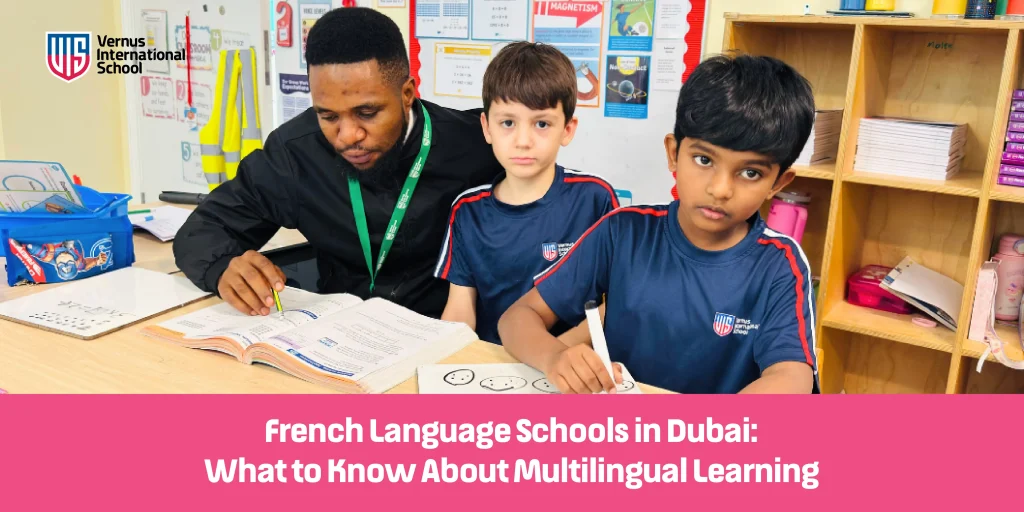
Project-based learning is the pedagogical approach that makes this philosophy visible in the daily experience of the classroom. A child who builds something, researches something, presents something, and iterates on it based on feedback has had a fundamentally different learning experience from one who listened, copied and repeated. The first kind of learning produces a different kind of student and over the years of primary education the difference becomes significant.
What Silicon Oasis Offers as a Location
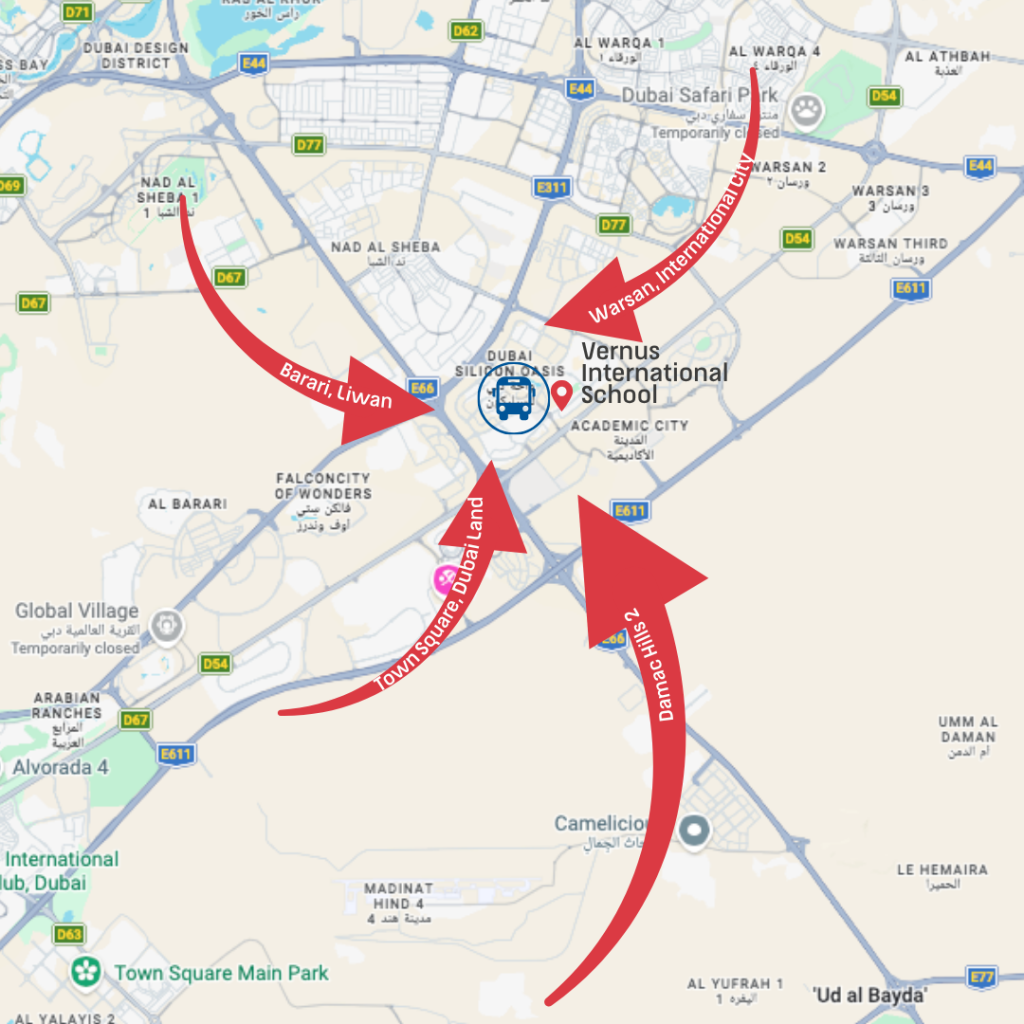
The practical geography of Dubai Silicon Oasis makes it workable for families spread across the wider Dubai corridor from Academic City to Mirdif to the newer communities along the outer ring. It is not central Dubai but it is not remote either and the internal road infrastructure of the district makes the daily school run manageable in ways that matter when you are doing it five days a week for years.
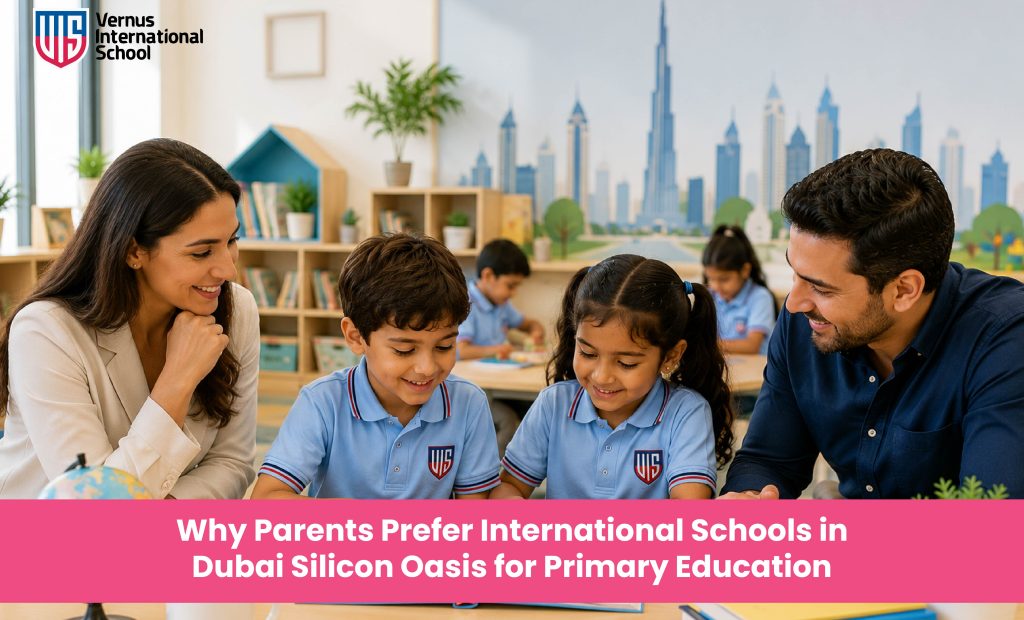
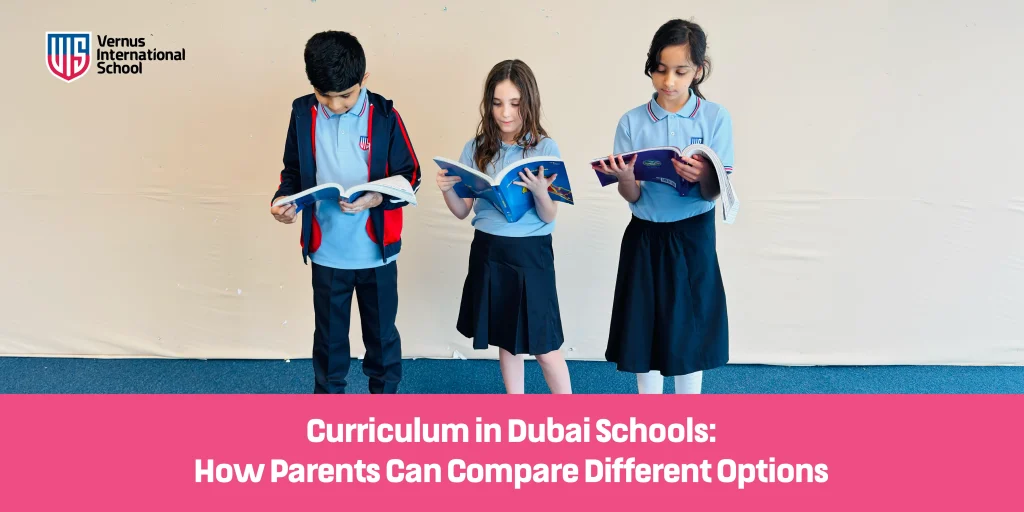
Vernus International School in Dubai Silicon Oasis serves children from Pre-K through Grade 5 and has built its primary programme around exactly the kind of holistic development that parents in this community are looking for. The school’s core pillars of learning, literacy and life skills are not a marketing construct. They are the actual organising principles of how the curriculum is planned and how children are assessed.
FAQs
1. What age range do international schools in Dubai Silicon Oasis typically serve?
This varies by school. Vernus International School serves children from Pre-K through Grade 5, covering the full kindergarten and primary school years in one continuous learning environment.
2. What curriculum do international schools in Silicon Oasis offer?
Options vary across schools. Vernus International School follows the California Common Core State Standards, a US-based curriculum framework that is adapted for the Dubai context.
3. Why do families choose Silicon Oasis for primary schooling over other Dubai areas?
The community profile, quality of available schools, road access from surrounding communities and the general environment of the district make it a practical and considered choice for many families across the wider Dubai area.
4. What is project-based learning and why does it matter for primary children?
Project-based learning involves children working on extended, real-world tasks that require research, collaboration and presentation rather than only textbook exercises. It develops deeper understanding and the kinds of thinking skills that primary education should be building.
5. Is Arabic language education included in Silicon Oasis international schools?
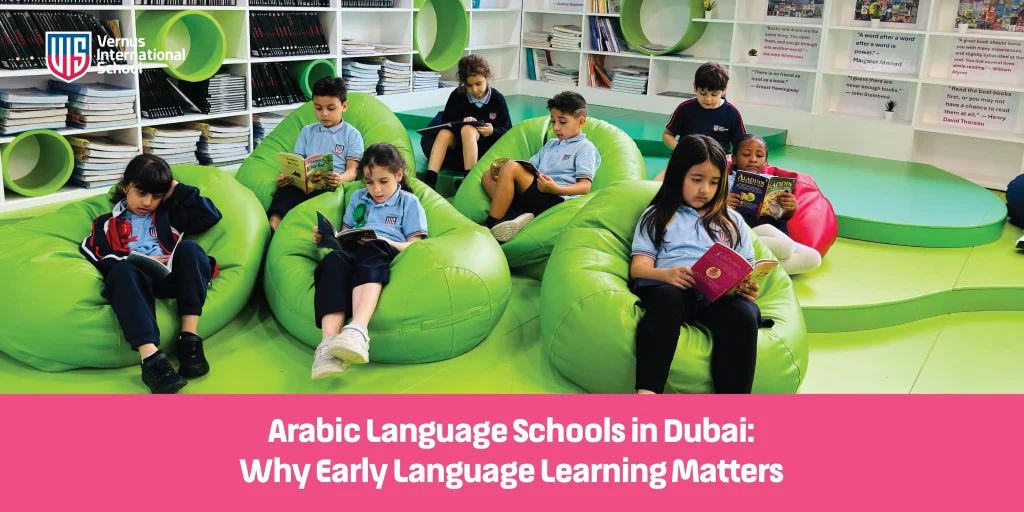
At Vernus International School Arabic and Islamic Education are part of the curriculum, meeting the UAE Ministry requirements while being delivered within the broader international curriculum framework.